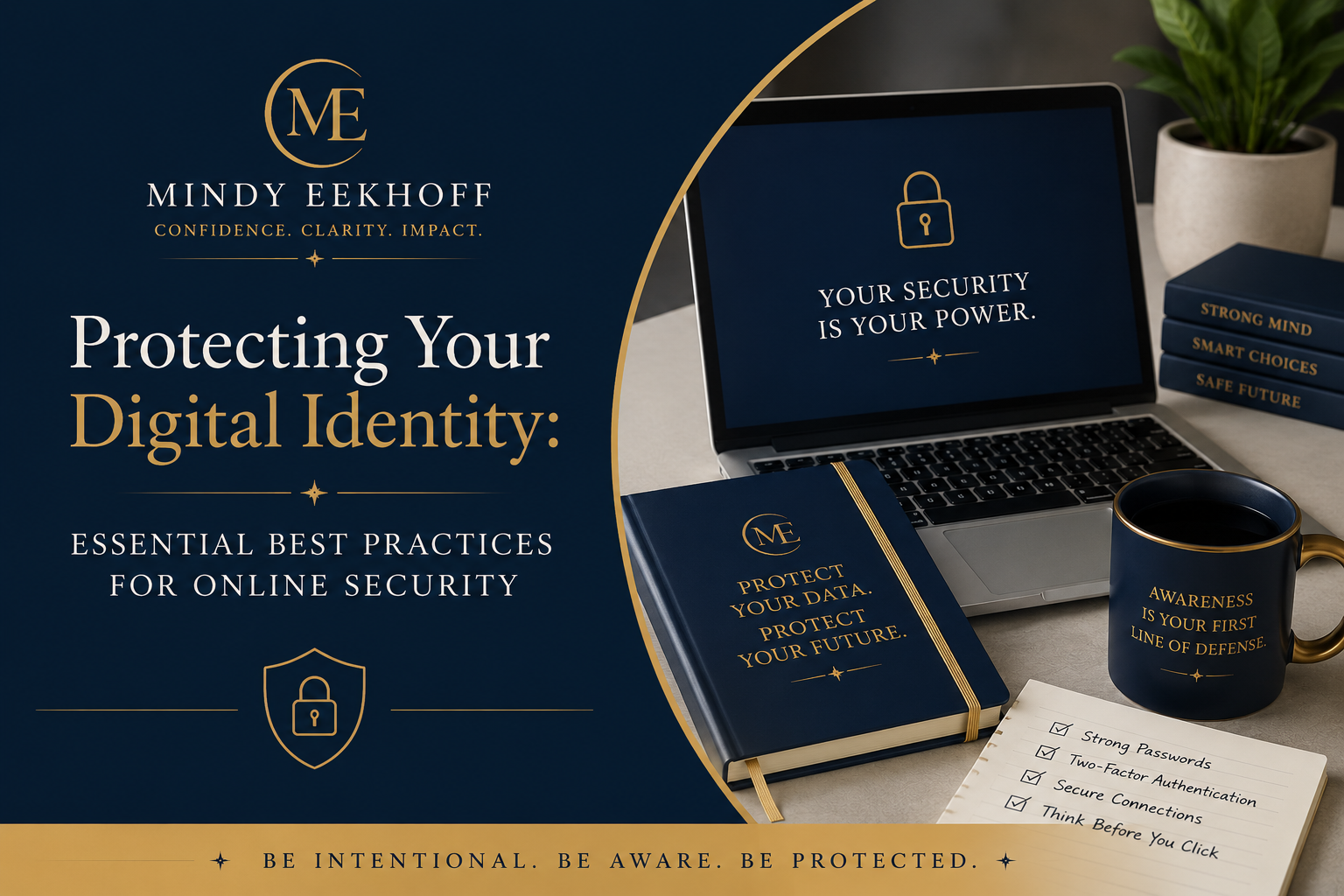
Protecting Your Digital Identity: Essential Best Practices for Online Security
In an era where our professional and personal lives are increasingly integrated with digital platforms, maintaining robust cybersecurity is no longer optional—it is a necessity. Cyber threats are constantly evolving, often relying on social engineering and data mining to compromise sensitive information. To safeguard your digital footprint, consider implementing the following proactive security measures:
- Utilize a “Throwaway” Email Address: Establish a secondary email account dedicated exclusively to non-essential sign-ups. When registering for these services, use a pseudonym rather than your legal name to keep your identity shielded from marketing databases and potential breaches.
- Protect Your Personal Milestones: When a website requests a birth date for non-essential access, avoid entering your true date of birth. While keeping your birth year is often acceptable, using a fabricated month and day adds an extra layer of privacy.
- Beware of “Fun” Social Media Phishing: Many viral social media posts—such as those asking for a pet’s name or a relative’s nickname—are sophisticated phishing attempts. These posts are designed to harvest answers to common security questions used by financial institutions. If you choose to participate, always provide random information that holds no connection to your actual secret questions.
- Enforce Password Hygiene: While inconvenient, rotating passwords every 90 days is a vital security habit. Utilize a reputable password generator to create complex, 16-character strings containing a mix of cases, symbols, and numbers. Since these are difficult to memorize, store them in a secure physical location or a verified password manager.
- Segment Your Digital Life: Maintain a strict separation between professional and personal accounts. By using distinct email addresses and unique, high-strength passwords for each, you prevent a single compromise from cascading across your entire online presence.
- Prioritize Advanced Encryption: Implement end-to-end encryption (such as PGP or S/MIME) for your communications to ensure that only the intended recipient can access your data. Furthermore, ensure that TLS encryption is utilized to protect your emails while in transit, significantly reducing the risk of interception.
- Strengthen Access with Multi-Factor Authentication (MFA): Never rely on passwords alone. Enable MFA or 2FA across all platforms that support it. Whenever possible, opt for authenticator apps or physical hardware keys rather than SMS-based codes, as these methods are far more resistant to interception and “SIM-swapping” attacks.
By adopting these habits, you transition from a passive user to an active defender of your own personal data. Cybersecurity is a continuous process of vigilance; staying informed and implementing these layered defenses is the most effective way to navigate the digital landscape securely.