
How to Escalate a Complaint When Companies Ignore You: The Complete Consumer Guide
Few experiences are more frustrating than reaching out to a company about a legitimate problem only to be met with silence, canned responses, endless transfers, or outright indifference.
Whether you’re dealing with a defective product, a billing dispute, poor service, an unfulfilled warranty claim, unauthorized charges, or a company that simply refuses to respond, knowing how to escalate your complaint effectively can mean the difference between getting ignored and getting results.
Most consumers make the mistake of repeating the same complaint through the same channel over and over again. They call customer service ten times, send multiple emails to the same address, and become increasingly frustrated when nothing changes. The reality is that successful complaint escalation is about strategy, documentation, persistence, and understanding how companies operate.
This guide will walk you through every step of escalating a complaint professionally and effectively. By the end, you’ll know exactly what to do when a company refuses to listen and how to maximize your chances of obtaining a satisfactory resolution.
Why Companies Ignore Complaints
Before learning how to escalate, it’s important to understand why complaints often go unresolved.
Common reasons include:
Frontline Employees Lack Authority
Customer service representatives are often limited by company policies. Even if they want to help, they may not have the authority to approve refunds, replacements, exceptions, or compensation.
High Complaint Volumes
Large companies receive thousands of complaints daily. Poorly documented complaints can easily become lost among routine inquiries.
Automated Systems
Many businesses rely heavily on automated ticketing systems that categorize and prioritize issues. Your complaint may never reach the appropriate department.
Inadequate Documentation
If a company cannot quickly verify your issue, representatives may close the case without taking action.
Cost Considerations
Unfortunately, some companies calculate that a percentage of customers will simply give up if ignored long enough.
Understanding these realities helps explain why escalation often becomes necessary.
Step 1: Gather Evidence Before Escalating
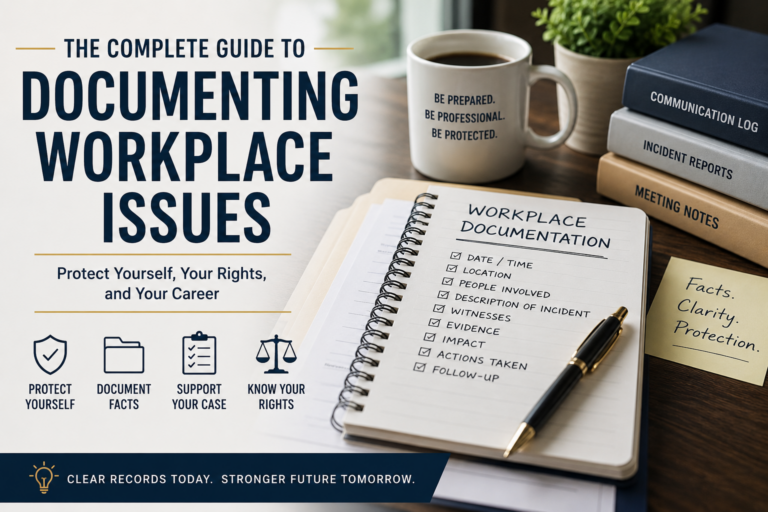
Documentation is your most powerful tool.
Before escalating, gather:
- Receipts
- Contracts
- Warranty information
- Order confirmations
- Invoices
- Account statements
- Screenshots
- Emails
- Chat transcripts
- Photos
- Videos
- Names of representatives
- Dates and times of interactions
Create a timeline that includes:
- When the problem began
- Every contact attempt
- Responses received
- Promises made
- Deadlines provided
The stronger your documentation, the easier it becomes to prove your case.
Step 2: Clearly Define Your Desired Resolution
Many consumers focus entirely on the problem instead of the solution.
Ask yourself:
What exactly do I want?
Possible resolutions include:
- Refund
- Replacement
- Repair
- Account correction
- Cancellation
- Compensation
- Written apology
- Contract termination
- Warranty fulfillment
Companies respond better when complaints include specific requests.
Instead of:
“I am unhappy with your service.”
Try:
“I am requesting a full refund of $249.99 due to the failure of the product within the warranty period.”
Specific requests create measurable outcomes.
Step 3: Give Customer Service One Fair Opportunity
Before escalating, allow frontline customer service an opportunity to resolve the issue.
During the interaction:
- Remain calm
- Be professional
- Explain the issue clearly
- Provide supporting evidence
- Request a case number
Avoid:
- Personal attacks
- Threats
- Excessive emotional language
- Profanity
A professional tone increases credibility and improves outcomes.
Step 4: Request a Supervisor
If customer service cannot resolve the issue, request escalation.
You might say:
“Thank you for your assistance. Since this issue remains unresolved, I would like to speak with a supervisor or escalation specialist.”
Many companies have specialized departments that handle:
- Billing disputes
- Executive complaints
- Retention issues
- Warranty claims
- Consumer advocacy matters
Simply reaching the correct department often resolves the issue.
Step 5: Send a Formal Written Complaint
Verbal complaints are easy to forget.
Written complaints create a paper trail.
Your complaint should include:
Contact Information
- Name
- Address
- Phone number
Account Information
- Order number
- Account number
- Service reference number
Problem Summary
Explain:
- What happened
- When it happened
- Why it matters
Previous Contact Attempts
List:
- Dates
- Representatives
- Outcomes
Requested Resolution
Clearly state what you want.
Deadline
Provide a reasonable response timeline.
For example:
“Please respond within 14 business days.”
Step 6: Use Multiple Communication Channels
Many consumers rely on only one communication method.
Instead, use multiple channels strategically.
Creates documentation.
Certified Mail
Demonstrates seriousness and creates proof of delivery.
Online Contact Forms
Often route complaints to specialized departments.
Live Chat
Provides transcripts.
Social Media
Increases visibility.
Customer Review Platforms
Encourages response due to public exposure.
Each channel increases the likelihood of reaching decision-makers.
Step 7: Leverage Social Media Effectively
Social media has transformed complaint resolution.
Companies often respond quickly to public complaints because:
- Other customers can see them
- Brand reputation is at stake
- Marketing teams monitor mentions
Effective social media complaints:
- Remain factual
- Include relevant details
- Avoid insults
- Tag the company
Example:
“I’ve contacted your customer support three times regarding Order #12345 and have not received a response. Can someone assist with resolving this issue?”
Professional complaints tend to receive better responses than angry rants.
Step 8: Contact Corporate Headquarters
Many unresolved complaints never reach corporate leadership.
Research:
- Executive offices
- Corporate mailing addresses
- Consumer affairs departments
Send a concise, professional summary.
Include:
- Timeline
- Supporting documentation
- Previous contact attempts
- Requested resolution
Executive complaint teams often have authority unavailable to frontline staff.
Step 9: Use Executive Escalation
Many companies have dedicated teams that manage complaints directed to executives.
Look for:
- Executive customer relations
- Executive response teams
- Corporate resolutions departments
When contacting executives:
Keep communications brief.
Executives do not need a ten-page complaint.
They need:
- Facts
- Evidence
- Desired outcome
A concise executive summary is often more effective than lengthy emotional narratives.
Step 10: File a Better Business Bureau Complaint
The Better Business Bureau (BBB) can be an effective intermediary.
Benefits include:
- Public accountability
- Structured complaint process
- Company response tracking
Many companies respond quickly because BBB ratings influence consumer trust.
When filing:
- Be factual
- Include evidence
- State desired resolution clearly
Remember that the BBB cannot force a company to comply, but it can encourage resolution.
Step 11: Contact Consumer Protection Agencies
Government agencies often provide additional leverage.
Potential agencies include:
Federal Trade Commission (FTC)
Handles unfair business practices.
Consumer Financial Protection Bureau (CFPB)
Addresses financial services complaints.
State Attorney General
Investigates consumer protection violations.
Public Utility Commissions
Regulate utility providers.
Insurance Commissioners
Handle insurance disputes.
Transportation Agencies
Address airline and transportation complaints.
Agency involvement frequently motivates companies to respond.
Step 12: Understand Industry-Specific Regulators
Different industries have different oversight organizations.
Banking
Financial regulators.
Telecommunications
Communications regulators.
Airlines
Transportation authorities.
Healthcare
State health departments and licensing boards.
Insurance
Insurance commissioners.
Real Estate
Licensing boards.
Research the agency responsible for your specific issue.
Step 13: File a Chargeback When Appropriate
If the dispute involves a credit card purchase, a chargeback may be available.
Common reasons include:
- Product not received
- Unauthorized charges
- Misrepresentation
- Failure to provide services
Contact your card issuer promptly.
Most chargebacks have strict deadlines.
Provide:
- Receipts
- Correspondence
- Evidence of attempted resolution
Chargebacks can be highly effective because they impact merchants financially.
Step 14: Use Mediation Services
Many disputes can be resolved through mediation.
Benefits include:
- Lower cost
- Faster resolution
- Neutral third party
- Less adversarial process
Mediation is particularly useful for:
- Service disputes
- Contract disagreements
- Warranty conflicts
Many industries offer free or low-cost mediation programs.
Step 15: Review Arbitration Clauses
Many contracts contain arbitration provisions.
These clauses often require disputes to be resolved outside court.
Review:
- Terms of service
- Purchase agreements
- Membership contracts
Understanding your contractual rights can shape your escalation strategy.
Step 16: Consider Small Claims Court
Small claims court is often an effective option for unresolved disputes.
Advantages include:
- Relatively low filing fees
- Simplified procedures
- No attorney requirement in many jurisdictions
Preparation is essential.
Bring:
- Evidence
- Documentation
- Correspondence
- Contracts
- Photos
- Witness statements
Companies frequently settle before the hearing once formal legal action begins.
Step 17: Know When to Involve an Attorney
Legal representation may be appropriate when:
- Significant money is involved
- Fraud is suspected
- Contract breaches occurred
- Consumer protection laws were violated
Consultations are often inexpensive or free.
An attorney can assess:
- Strength of your case
- Potential damages
- Available remedies
Sometimes a single demand letter is enough to resolve the matter.
Step 18: Avoid Common Escalation Mistakes
Many complaints fail because consumers make avoidable errors.
Being Emotional Instead of Factual
Facts persuade.
Emotions often distract.
Threatening Lawsuits Prematurely
Empty threats reduce credibility.
Posting Defamatory Statements
Stick to verifiable facts.
Contacting Too Many Departments Simultaneously
This can create confusion and duplicate records.
Failing to Keep Records
Documentation is essential.
Ignoring Deadlines
Consumer rights often depend on timely action.
Step 19: Create a Complaint Escalation Timeline
A structured timeline keeps your efforts organized.
Days 1–3
Contact customer service.
Days 4–7
Request supervisor review.
Days 8–14
Send formal written complaint.
Days 15–21
Contact corporate headquarters.
Days 22–30
File regulatory complaints.
Days 31–45
Explore chargebacks, mediation, or legal options.
Systematic escalation is more effective than random escalation.
Sample Complaint Escalation Letter
Subject: Formal Complaint Regarding Order #12345
Dear Customer Relations Team,
I am writing to formally request assistance regarding Order #12345 purchased on March 1, 2026.
Despite multiple attempts to resolve this matter through customer service, the issue remains unresolved.
Summary of Issue:
- Product received on March 5, 2026
- Product failed on March 10, 2026
- Warranty claim submitted March 12, 2026
- No response received despite multiple follow-ups
I have attached supporting documentation, including receipts and correspondence.
I am requesting a replacement product or full refund within 14 business days.
Thank you for your prompt attention to this matter.
Sincerely,
[Your Name]
When Persistence Pays Off
Many successful complaint resolutions occur only after multiple escalation attempts.
Companies often resolve complaints when:
- Proper documentation exists
- Escalation reaches decision-makers
- Regulatory scrutiny becomes possible
- Public visibility increases
Persistence does not mean harassment.
It means following a professional, organized process until your issue receives appropriate attention.
Building a Strong Consumer Advocacy Mindset
Successful consumers approach disputes strategically.
They:
- Document everything
- Remain professional
- Understand their rights
- Escalate methodically
- Stay focused on solutions
These habits improve outcomes regardless of the company involved.
Frequently Asked Questions
How long should I wait before escalating a complaint?
Typically, allow customer service 5 to 10 business days to respond unless the matter is urgent.
Should I complain publicly on social media?
Yes, but remain factual and professional. Public complaints often attract quicker responses.
Is the Better Business Bureau effective?
It can be. Many companies monitor BBB complaints closely and respond promptly.
What if the company stops responding completely?
Move to higher escalation channels, including corporate offices, regulatory agencies, chargebacks, mediation, or legal action.
Can I sue a company for ignoring my complaint?
Ignoring a complaint alone may not justify a lawsuit. However, underlying legal violations, contract breaches, or damages may provide grounds for legal action.
Does certified mail make a difference?
Yes. Certified mail creates documented proof that your complaint was received.
Final Thoughts
When companies ignore legitimate complaints, consumers often feel powerless. The good news is that you have far more options than repeatedly calling customer service and hoping for a different outcome.
Successful complaint escalation requires preparation, documentation, professionalism, and persistence. Start with customer service, build a strong paper trail, escalate through supervisory and executive channels, leverage public accountability when appropriate, and utilize regulatory or legal remedies when necessary.
Most importantly, remember that every interaction should bring you one step closer to resolution. By following a structured escalation process, you dramatically improve your chances of being heard, respected, and ultimately receiving the outcome you deserve.
The next time a company ignores your complaint, you’ll have a proven roadmap for turning frustration into action and action into results.