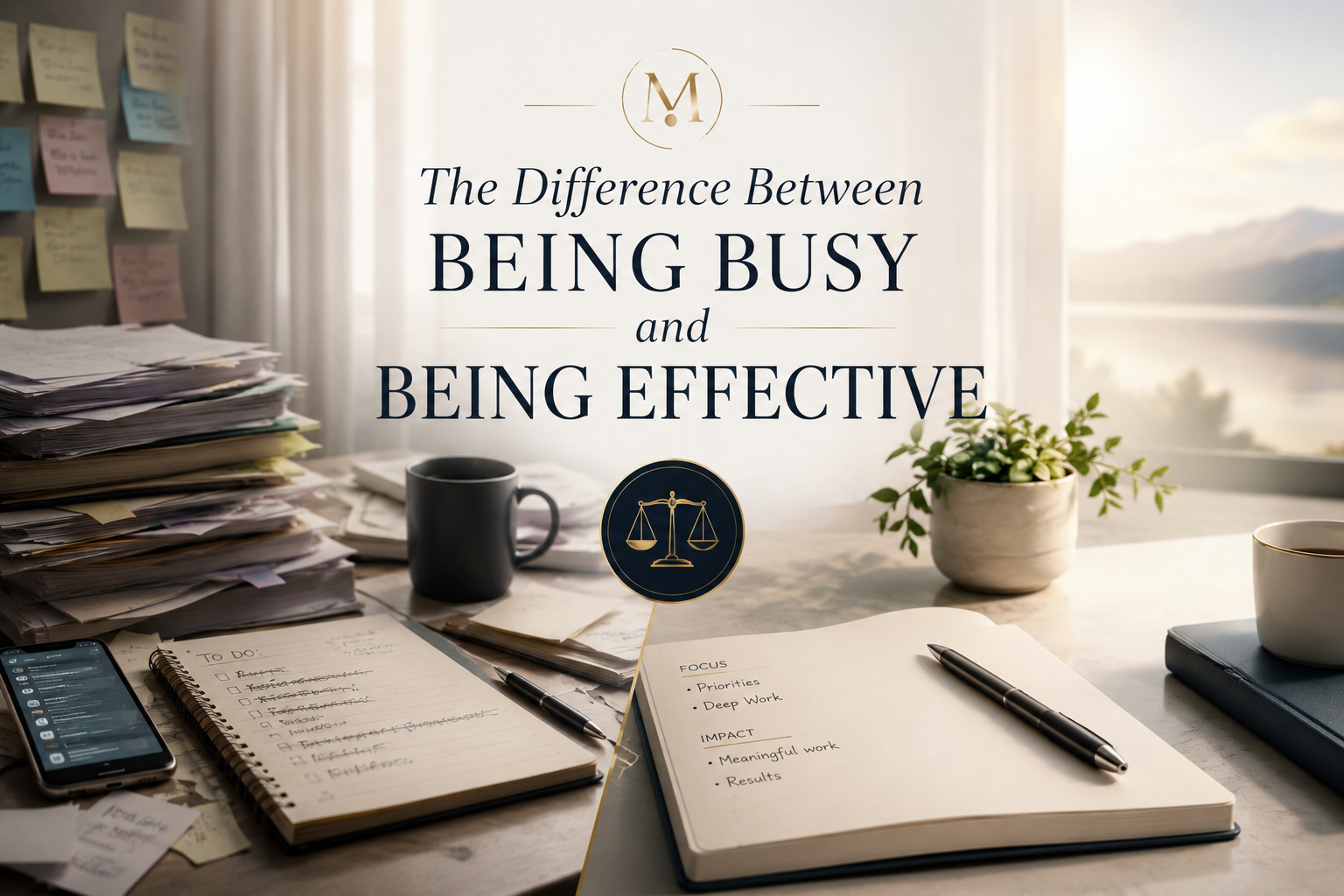
The Difference Between Being Busy and Being Effective
The Illusion of Activity: Distinguishing Between Busyness and Effectiveness
In the modern professional landscape, “busyness” has often been mistaken for a badge of honor. We live in a culture that equates a packed calendar and an overflowing inbox with productivity, leading many to believe that if they are perpetually occupied, they are inherently making progress. However, there is a fundamental and often overlooked distinction between being busy and being effective. While busyness is defined by movement and the expenditure of energy, effectiveness is defined by the strategic alignment of action with intended outcomes. Understanding this difference is the primary differentiator between those who merely tread water and those who consistently achieve meaningful results.
The Trap of Perpetual Motion
Busyness is reactive. It is the state of responding to the loudest demand—a frantic email, an unscheduled meeting, or an administrative chore that gives the illusion of work. When we allow ourselves to be governed by the urgency of others, we fall into the trap of “activity for activity’s sake.” We finish the day exhausted, having checked dozens of minor tasks off a list, only to realize that our core projects—the ones that actually drive long-term growth—remain untouched. This is the hallmark of the “busy” professional: they are consistently running, yet frequently failing to move the needle.
The Foundation of Effectiveness
Effectiveness, by contrast, is proactive and ruthless in its prioritization. It requires the discipline to distinguish between what is urgent and what is truly important. An effective individual operates on the principle of the Pareto Principle (the 80/20 rule), understanding that 20 percent of their efforts will likely yield 80 percent of their desired results. Being effective is about the deliberate selection of high-impact tasks and the courage to ignore or delegate the rest. It is not about how many hours are logged, but about the tangible value created within those hours.
Cultivating the Shift
To transition from a state of busyness to a state of effectiveness, one must adopt a mindset of intentionality. This begins with rigorous planning. Before opening an email client or diving into the day’s to-do list, an effective professional identifies their top three priorities. By focusing on these high-leverage outcomes first, they ensure that even if the rest of the day is consumed by minor distractions, the day has still been a success.
Furthermore, effectiveness requires the mastery of focused work, often referred to as “deep work.” In an age characterized by constant notification cycles and digital interruptions, the ability to concentrate deeply on a singular task is a superpower. Busyness thrives on multitasking and fractured attention; effectiveness thrives on the deep, sustained focus necessary to solve complex problems and produce high-quality work.
The Metric of Success
Ultimately, the difference comes down to the metric of success. If your metric is a cleared list of menial tasks, you will remain busy. If your metric is the achievement of long-term milestones and the quality of your output, you will become effective. By shifting our focus from the quantity of our efforts to the quality and impact of our results, we reclaim our time and our agency. Effectiveness is not about doing more; it is about doing what matters most, with precision, purpose, and clarity. In a world that prizes the frantic pace of the status quo, choosing to be effective rather than merely busy is a radical and necessary act of professional maturity.